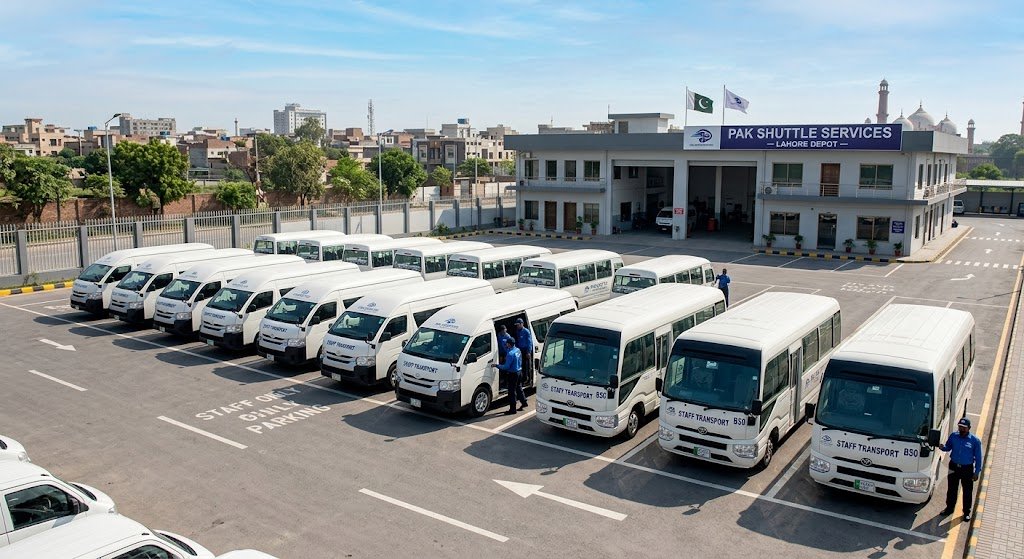
Most staff transportation problems aren't discovered until they've already caused damage — a late pickup nobody flagged, a breakdown that took an hour to notice, a route that quietly started running inefficient. Real-time fleet management closes that gap. Instead of finding out about a problem from an unhappy employee or a missed shift, a properly managed fleet gives visibility into what's actually happening on the road, as it happens. Here's what that looks like in practice and why it matters for staff transport specifically.
What Real-Time Fleet Management Actually Means
At its core, it means the transport provider — not just the driver — knows where every vehicle is, whether it's on schedule, and whether anything has gone wrong, in real time rather than after the fact. For staff transportation, this typically covers vehicle location tracking along assigned routes, monitoring of pickup and drop timing against the planned schedule, and immediate visibility into breakdowns or delays so a backup vehicle can be dispatched before a shift is affected.
Why This Matters More for Staff Transport Than for a One-Off Trip
A single wedding car running ten minutes late is an inconvenience. A factory shift van running late — repeatedly, without anyone noticing until workers are already stranded — is an operational failure that compounds over a contract. Staff transportation runs the same routes, day after day, which means small inefficiencies or recurring delays don't just happen once; they become a pattern that erodes attendance and trust unless someone is actively watching for it.
How Fleet Management Improves Punctuality
When a provider can see, in real time, that a vehicle is running behind schedule, they can respond immediately — adjust the route, alert the affected pickup point, or dispatch a backup — instead of the delay compounding silently until employees are left waiting with no explanation. Over time, this kind of active monitoring is what keeps a transport contract reliable, rather than reliable only on paper.
Faster Response to Breakdowns
Vehicle issues are inevitable over a long-term contract. What separates a well-run provider is response time: with real-time visibility, a breakdown is flagged the moment it happens, and a backup vehicle can be dispatched immediately rather than after a delayed phone call from a stranded employee or an unanswered pickup. For night shifts especially, this response speed is a genuine safety factor, not just a convenience.
Route Efficiency Over Time
Fleet visibility also helps identify inefficient routes — a pickup point that consistently adds unnecessary time, a route that could be restructured as employee addresses shift, or timing that no longer matches actual shift schedules. A provider actively managing this can adjust proactively, rather than a company only noticing the problem once complaints pile up.
What to Ask a Provider About Fleet Management
- Can they confirm, on request, where a specific vehicle is and whether it's on schedule?
- How quickly do they typically detect and respond to a breakdown or delay?
- Is route and timing data used to adjust and improve routes over time, or is it static once set?
- Is this level of oversight included in a standard contract, or is it an added-cost feature?
Frequently Asked Questions
Is real-time tracking standard for corporate staff transport contracts?
It should be for any provider running serious, long-term corporate accounts — it's what allows a company to catch and correct delays or breakdowns before they affect an entire shift.
How does fleet management help with night shift safety?
Real-time visibility means a breakdown or delay on a night route is flagged immediately, allowing a faster backup response than waiting for a stranded employee to call in.
Can fleet data help reduce transport costs over time?
Yes — visibility into actual route performance helps identify inefficient pickups or timing mismatches that can be corrected, improving efficiency on a long-term contract without changing the vehicle or headcount.
Does this apply to both Hiace and Coaster fleets?
Yes — route and timing monitoring applies across the full fleet, whether it's a single Hiace covering a small team or multiple Coasters running factory shift routes.
Is fleet management only useful for large companies?
No — even a single-vehicle contract benefits from timing visibility and faster breakdown response; the value scales with the size and complexity of the operation, but it isn't exclusive to large fleets.
Get Staff Transport Backed by Real Visibility
Afzal Transport Contractor runs employee transportation contracts with active route and timing oversight, so delays and breakdowns are caught and resolved fast — not discovered after the fact. Trusted by corporate accounts like Nestlé and Engro. Estimate your monthly rate or get a quote on WhatsApp today.